Looking at Hernando and wondering which part of town fits your style best? You are not alone. For a city of about 18,542 people, Hernando packs in a surprising mix of historic streets, classic in-town homes, newer subdivisions, and larger-lot edge communities. If you want a simple, local way to think about the options, this guide will walk you from the square outward so you can better match your home search to the way you want to live. Let’s dive in.
Hernando at a glance
Hernando feels compact, but its housing choices cover more ground than many buyers expect. The city has an owner-occupied rate of 81.2% and a median owner-occupied home value of $315,900, which gives you a quick snapshot of a community with a strong base of long-term homeowners.
It also has a clear preservation identity. Hernando notes five National Register districts, a Preservation Commission that began in 1997, and a downtown identity centered on the historic town square. That blend helps explain why the city feels both established and active.
One important local tip is that neighborhood lines in Hernando are often flexible. The city publishes planning and preservation maps, but many people describe areas by historic district or subdivision name rather than by one rigid neighborhood grid.
Start with the square
If you want to understand Hernando, start at the Courthouse Square Historic District. This is the civic and commercial anchor of the city, with buildings dating mainly from about 1890 to 1940 and the DeSoto County Courthouse, built in 1940, serving as a central landmark.
The square still works as a real gathering place, not just a historic backdrop. The city’s farmers market is held on the historic town square, and downtown parking is available around the square. For buyers, that means this part of Hernando offers a true center point for everyday life.
From a home search perspective, the square is less about a large residential area and more about setting the tone. It gives nearby neighborhoods a more in-town feel, where residential streets can sit close to local activity while still feeling distinct.
Explore the historic core
Once you move out from the square, Hernando’s historic core starts to branch into several recognizable areas. These neighborhoods tend to appeal to buyers who want older homes, mature trees, and a more established street pattern.
A useful shorthand is this: Courthouse Square is the downtown anchor, North Elm sits northwest of the commercial core, North Side is west of North Elm across U.S. 51, and South Side is southeast of Courthouse Square across U.S. 51. That layout helps make sense of why in-town Hernando can feel both connected and residential.
Commerce Street feel
The Commerce Street Historic District gives you a strong in-town residential feel near the square. The housing stock ranges from late-19th-century homes to early-20th-century bungalows, along with larger Neo-Classical and Victorian-era houses.
This area also shows how lot patterns can shift block by block. District documentation notes that smaller lots tend to sit closer to the courthouse square, while lots farther west are larger. If you like the idea of living close to the center of town but still in a residential setting, Commerce Street is a useful area to know.
North Side character
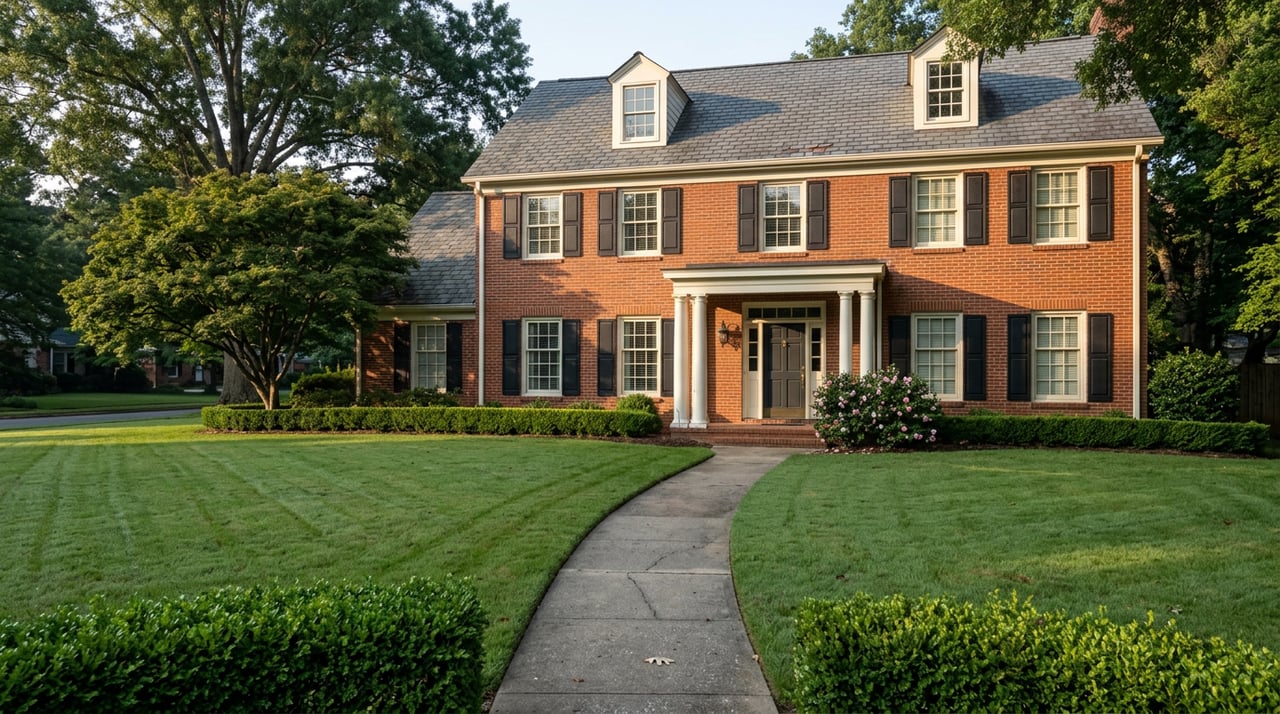
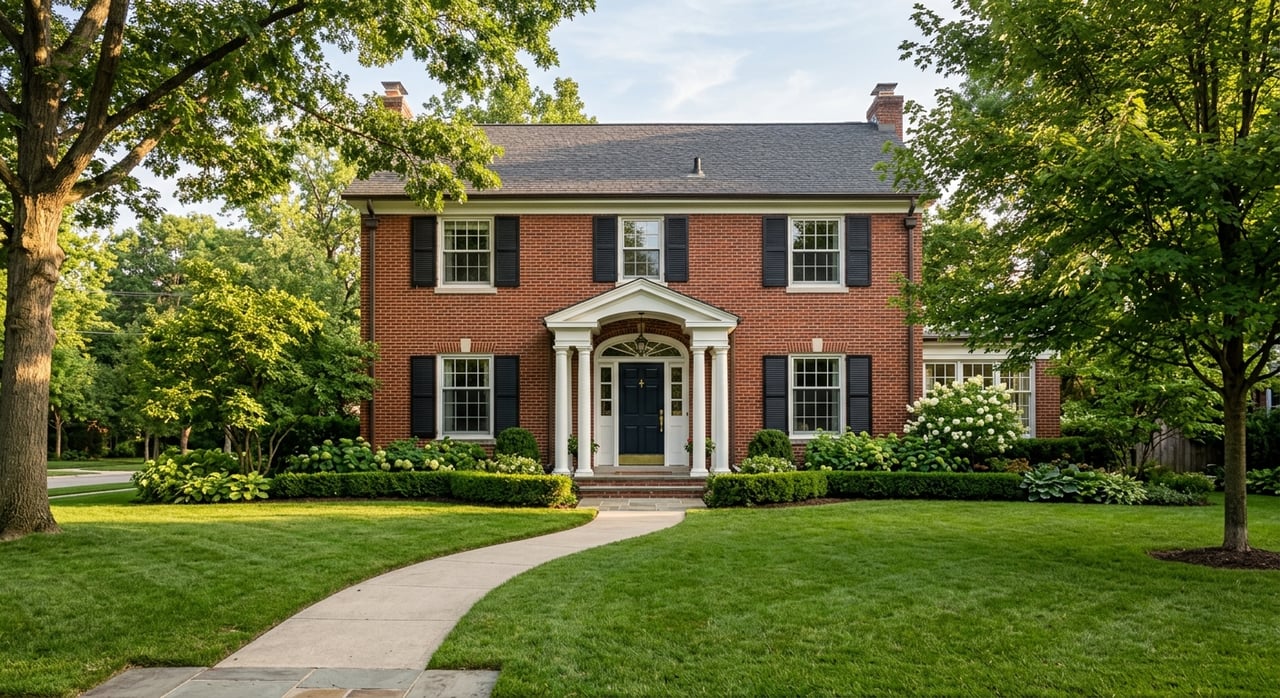
North Side Historic District is a strong match if you are drawn to older homes and a classic residential setting. The district includes Greek Revival, Queen Anne, Colonial Revival, and Tudor Revival homes, which gives the area a varied architectural feel.
The lots here are described as mid-size to fairly large, shaded, and usually set back about 50 feet from the street. That often creates a calm, established look that buyers notice right away when they drive through.
South Side style
South Side, also called the Magnolia Historic District in district documentation, offers another older residential option near downtown. Its development spans roughly 1850 to 1950, and the housing mix leans Craftsman, Colonial-inspired, Tudor Revival, and vernacular styles.
The district includes areas around School Street, Park Street, Magnolia Drive, and Center Street West. It also includes cemetery and church resources that reinforce its identity as one of Hernando’s long-established in-town areas.
North Elm variety
North Elm Street Historic District is one of the most mixed-age historic areas in town. It sits northwest of the commercial core and includes housing from around 1863 to the present.
It is also more vernacular in feel than some of the other historic districts. The district includes the 1952 Fairview Heights subdivision, with smaller lots and mostly postwar homes, and it has a higher concentration of mid-century Ranch and Minimal Traditional houses. If you want an in-town location but do not need a highly formal historic style, North Elm may be worth a closer look.
Know what “in-town” means here
In Hernando, “in-town” does not mean just one thing. It can mean living near the square, on a shaded historic residential street, or in a mixed-age district that still feels connected to downtown.
That is one of the city’s biggest strengths. You can find areas with older architecture, mature setbacks, and a residential feel without being far removed from the square and the core of town activity.
For many buyers, this is where Hernando stands out. It offers a version of walkable, established living that sits alongside suburban options rather than replacing them.
Move outward to newer subdivisions
Once you move beyond the historic overlay, Hernando shifts into a more suburban pattern. This is where you will see more planned subdivisions, newer construction, and streets that feel more car-oriented than the older in-town areas.
If your priority is a newer home, more standardized neighborhood layout, or a subdivision setting, this part of the market may be a better fit. Current listing examples point to Northwood Hills, Notting Hill, and Montclair as useful shorthand for the newer-home side of Hernando.
Northwood Hills snapshot
Northwood Hills is a helpful example of a more established subdivision setting with newer-era housing than the historic core. One current listing example shows a 1998 home on a 0.26-acre lot.
That does not define every home in the area, but it gives you a practical sense of the housing style and lot scale buyers may encounter. If you want a neighborhood that feels more suburban than historic, this is the kind of area to watch.
Notting Hill layout
Notting Hill reflects a more planned subdivision style. Current listing examples show homes built around 2006 to 2011 on lots ranging roughly from 0.14 to 0.52 acres.
Listing details also describe cul-de-sacs, landscaped lots, and HOA-style community management. For buyers who like a more organized neighborhood layout and a newer-home feel, Notting Hill is a strong reference point.
Montclair features
Montclair shows the newer-construction side of Hernando, with current examples including homes built in 2022 on about 0.25-acre lots. One listing also mentions walking trails, a park, and a short drive to downtown Hernando square.
That combination is useful if you want newer finishes and a neighborhood setting while still staying connected to the city’s core. It is a good example of how Hernando blends newer development with access to older town amenities.
Look at larger-lot living
If subdivision living is not your style, Hernando also offers larger-lot and edge-of-town options. These areas can feel more private, more custom, or more semi-rural depending on the location.
This is where Hernando changes quickly. As you move outward, you can go from planned neighborhood streets to homesites with much more land and a very different pace.
Gray’s Creek scale
Gray’s Creek stands out as one of Hernando’s most estate-like examples. Current listings describe it as a gated community with rolling hills and lakes, including a 5.2-acre lake lot and another nearly 2-acre homesite with a 3,500-square-foot minimum and tighter architectural controls.
For buyers who want a more custom-home environment or more land, Gray’s Creek gives a clear picture of that end of the market. It is a very different lifestyle from the compact historic core or a typical suburban subdivision.
Cane Creek example
A Cane Creek listing offers another good example of Hernando’s edge-market pattern. One current listing shows a newer home on 1.50 acres.
That kind of property helps show how fast the city can transition from neighborhood living to a more open, semi-rural feel. If yard space, separation, or a less traditional subdivision setup matters to you, these edge areas deserve attention.
How to match your style
The easiest way to think about Hernando is as a progression. Start with the courthouse square, move into older shaded in-town streets, continue outward to newer subdivisions, and then finish at the larger-lot edge communities.
If you are comparing options, this quick style guide can help:
- Want the closest connection to downtown? Focus on Courthouse Square, Commerce Street, North Side, South Side, and North Elm.
- Love older homes and character? North Side, South Side, Commerce Street, and older parts of North Elm are the strongest references.
- Prefer newer homes? Northwood Hills, Notting Hill, and Montclair are helpful shorthand examples.
- Need more land? Gray’s Creek, some North Side blocks, some North Elm blocks, and edge-area communities may offer larger lots.
- Trying to decide whether Hernando feels historic or suburban? The answer is both, which is part of its appeal.
Why local guidance matters
In Hernando, names and expectations matter as much as map lines. Two areas may both be considered “in-town,” but one may lean historic and architectural while another may feel more mixed-age and practical.
That is why it helps to have a local guide who can translate the feel of each area into real choices for your budget, timeline, and priorities. Whether you are buying your first home, moving up, or getting ready to sell, neighborhood context can shape the whole experience.
If you want help narrowing down which part of Hernando fits your goals, connect with Deanna Wardlaw. You will get practical local insight, responsive guidance, and a clear plan for your next move.
FAQs
What areas in Hernando MS are closest to downtown?
- Courthouse Square, Commerce Street, North Side, South Side, and North Elm are the main in-town reference points closest to the square.
Which Hernando MS neighborhoods have the oldest homes?
- North Side, South Side, Commerce Street, and the older parts of North Elm are the best-known areas for older homes.
Where can you find newer homes in Hernando MS?
- Northwood Hills, Notting Hill, and Montclair are useful examples of newer-home neighborhoods in Hernando.
Which Hernando MS areas tend to have larger lots?
- Gray’s Creek, some North Side blocks, some North Elm blocks, and select edge-area communities are where larger lots tend to show up.
Is Hernando MS more historic or suburban?
- Hernando is both, with a preservation-focused downtown and historic districts alongside newer subdivisions and larger-lot edge communities.