If you are searching for a Memphis-area suburb with more breathing room, Arlington, Tennessee, deserves a close look. You may want a neighborhood with newer homes, a strong sense of place, and an easy path to work, parks, and everyday errands. Arlington offers a mix of historic roots and planned residential growth that appeals to many buyers looking for space and convenience. Here’s what to know before you explore homes in Arlington.
Why Arlington Stands Out
Arlington is a town in northeastern Shelby County with a railroad-era history that dates back to the 1830s. Today, local sources describe it as a suburban community with a more rural feel than Memphis, while still offering access to major roads and regional destinations. According to the Town of Arlington, the town sits near the I-40 and SR385/I-69 crossroads and is roughly 24 to 30 miles from Memphis.
Growth has also shaped Arlington’s identity. Census QuickFacts show the population rose from 14,549 in 2020 to an estimated 15,550 in July 2024 across 23.02 square miles. That steady growth helps explain why many buyers see Arlington as a place where suburban development, community amenities, and commuter access come together.
Arlington Neighborhoods at a Glance
Arlington is not a one-style-fits-all market. Instead, the town blends historic streets near Depot Square with a wide range of subdivision-style neighborhoods spread along key local corridors. That variety gives you more options depending on the kind of home, lot, and setting you want.
The town’s voluntary HOA contact registry lists neighborhoods such as Arlington Trace, Belmont, Brooks Manor, Cambridge Manor, Carters Cove, Dawson Landing, Deerfield Estates, Forrest Grove, Hayesville Estates, Kensington, Myers Park, The Preserve, Trails of Arlington, Village of Summer Meadows, Villages of White Oak, Wilson Crossing, and Windsor Place. The town notes that this registry is not comprehensive, but it gives you a useful snapshot of Arlington’s residential landscape.
Because many neighborhoods were built under Planned Development rules, lot standards and design requirements can vary from one subdivision to another. That means two neighborhoods that seem close on a map may offer very different home styles, lot sizes, or HOA expectations. If you are comparing communities, it helps to look beyond price alone and consider how each neighborhood is set up.
Historic Core Near Depot Square
One part of Arlington’s appeal is its historic center. Near Depot Square, you will find the town’s older identity and community gathering spaces, which create a different feel from newer subdivisions. Buyers who appreciate a small-town backdrop often enjoy this part of Arlington’s character.
The historic core also connects to community events and public spaces that help define daily life. The town hosts annual events like Music on the Square, Tree Lighting at Depot Square, and Christmas on the Square. For many buyers, that sense of local tradition adds to Arlington’s overall appeal.
Planned Subdivision Living
Much of Arlington’s housing is found in planned subdivisions along roads like Airline, Forrest, Douglas, Chester, Highway 70, and near the I-40 and I-269 connection. These areas reflect Arlington’s suburban growth pattern and give buyers access to a broad mix of single-family homes. If you are looking for a neighborhood setting with more consistent development patterns, this is where much of your search may focus.
Subdivision living can also mean different rules and layouts from one community to the next. Some neighborhoods may emphasize larger lots, while others may offer a more compact setup with easier upkeep. Arlington’s official planning framework makes it especially important to review each neighborhood on its own terms.
What Arlington Homes Are Like
Arlington’s housing market leans strongly toward homeownership. Census QuickFacts report an owner-occupied housing rate of 84.7 percent, which points to a market shaped largely by long-term residents rather than short-term turnover. The same source shows that 94.4 percent of residents lived in the same home one year earlier.
Home values in Arlington also stand out within the broader Memphis area. The census reports a median owner-occupied home value of $424,400, a median monthly mortgage payment of $2,262, and a median gross rent of $2,164. For buyers, that suggests a market where pricing may be higher than some nearby areas, but one that also reflects strong demand for owner-occupied homes.
What Buyers Should Expect
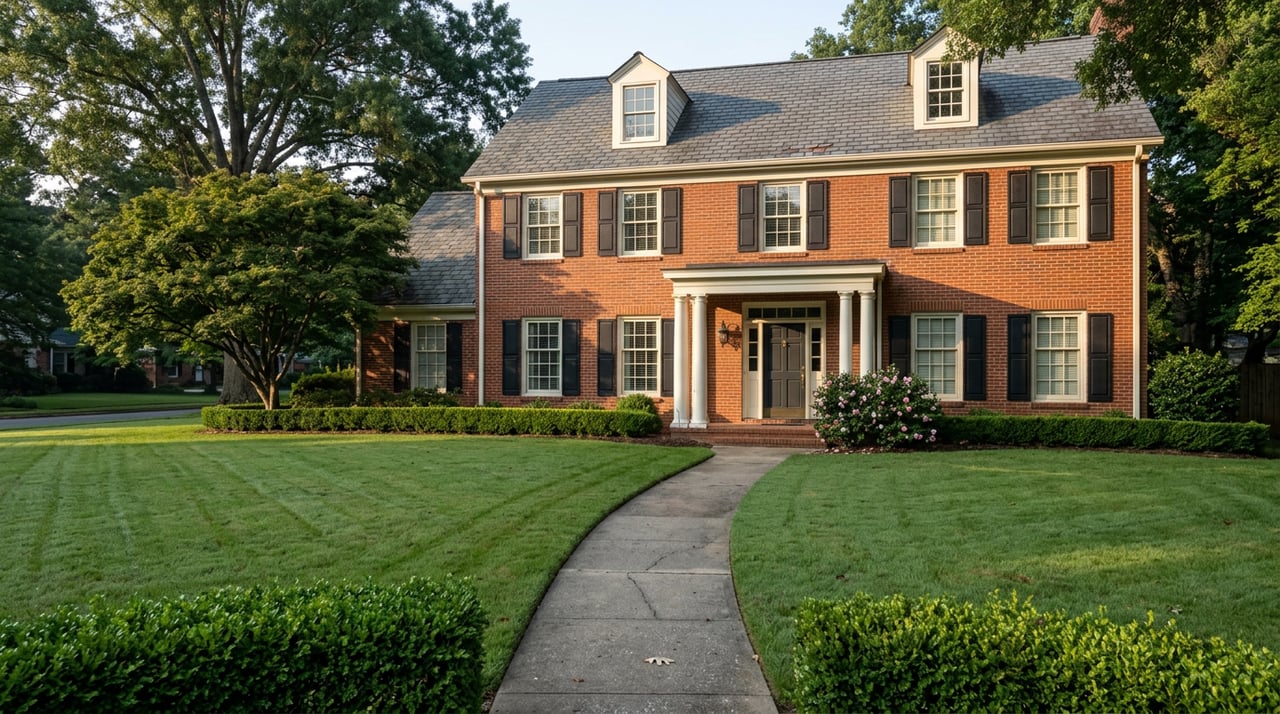
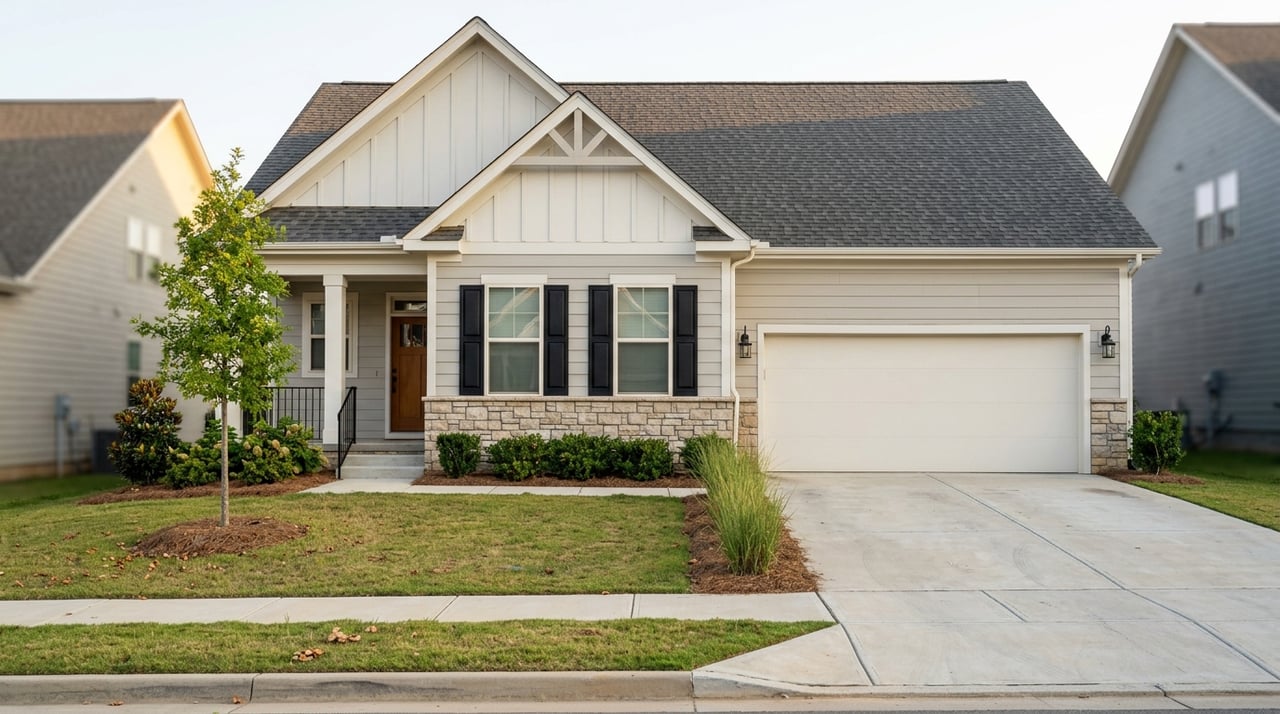
If you are shopping in Arlington, expect a suburban inventory shaped by established neighborhoods and newer-style development patterns. You may find homes in settings with larger footprints, attached garages, and neighborhood layouts designed around residential streets rather than an urban grid. Since subdivision standards can differ, details like lot dimensions, exterior rules, and community features may change from one area to another.
This is also a market where stability matters. With a high percentage of owner-occupied homes and strong year-to-year residential continuity, Arlington can appeal to buyers who want a place where many neighbors are established homeowners. That can be an important factor if you are planning a longer-term move.
Parks and Daily Life in Arlington
A neighborhood is about more than the house itself, and Arlington offers a solid lineup of public spaces. The town says its Parks and Recreation department maintains more than 68 acres of parks and manages youth league fields and annual community events. That gives residents several ways to spend time outdoors close to home.
Official park listings include Mary Alice Park, Dixon Robinson Park, Doctor Logan Park, Village of Arlington Park, Arlington Sports Complex, Arlington Tennis Complex, Douglas Park, Forrest Street Park, Hughes-College Hill Park, Julian M. Williamson, Jr. Lake, The Crossing amphitheater, and the Community Garden. If outdoor access matters to you, these amenities are worth keeping in mind as you compare neighborhoods.
Schools and Community Services
For buyers who want information about local public education options, Arlington Community Schools is an important part of the town’s profile. The district states that it serves Arlington and surrounding communities through four campuses: Arlington Elementary, Donelson Elementary, Arlington Middle, and Arlington High. The district also reports more than 475 teachers and staff and a 98 percent graduation rate on its official website.
Even if schools are not the main reason for your move, district boundaries and campus access can still be useful practical details during your home search. As with any move, it is wise to verify attendance and enrollment details directly with the district as you narrow down specific addresses.
Commuting, Shopping, and Access
Location is one of Arlington’s strongest advantages. The town’s position near I-40 and SR385/I-69 makes it practical for buyers who want suburban living with access to Memphis-area jobs and services. Census QuickFacts show a mean commute time of 27.3 minutes, which gives helpful context for day-to-day travel.
Arlington also offers a mix of local retail and access to larger regional destinations. The Arlington Chamber of Commerce economic development page describes a growing retail area, two industrial parks, and continued growth connected to TN-385. The chamber also notes that BlueOval City is about 17 miles away, which may matter if your work or relocation plans are tied to that corridor.
Is Arlington Right for You?
Arlington may be a good fit if you want a suburban town with a historic center, planned neighborhoods, strong homeowner presence, and practical access to the broader Memphis metro. It offers a housing landscape that is more varied than it may first appear, especially when you compare Depot Square-adjacent areas with the town’s many subdivision communities. That makes local guidance especially helpful when you are trying to match your budget, commute, and lifestyle priorities.
If you are considering a move to Arlington or comparing it with other Shelby County suburbs, working with someone who understands neighborhood differences can save you time and help you make a more confident decision. If you want help exploring Arlington homes and nearby communities, connect with Deanna Wardlaw for clear, hands-on guidance tailored to your move.
FAQs
What kinds of neighborhoods are common in Arlington, TN?
- Arlington includes a mix of historic streets near Depot Square and many subdivision-style neighborhoods such as Arlington Trace, Belmont, Kensington, Myers Park, The Preserve, Trails of Arlington, and Villages of White Oak, based on the town’s voluntary HOA registry.
What is the housing market like in Arlington, TN?
- Arlington is a homeowner-oriented market with an 84.7 percent owner-occupied housing rate and a median owner-occupied home value of $424,400, according to Census QuickFacts.
What parks and recreation options are available in Arlington, TN?
- Arlington maintains more than 68 acres of parks and lists amenities including Arlington Sports Complex, Arlington Tennis Complex, Mary Alice Park, Douglas Park, Forrest Street Park, The Crossing amphitheater, and the Community Garden.
What should buyers know about commuting from Arlington, TN?
- Arlington is located near I-40 and SR385/I-69, and Census data show a mean commute time of 27.3 minutes, which supports access to Memphis-area jobs and services.
What public school district serves Arlington, TN?
- Arlington Community Schools serves Arlington and surrounding communities and includes Arlington Elementary, Donelson Elementary, Arlington Middle, and Arlington High.