If you’re getting ready to sell, one question matters more than almost anything else: how do you prepare your Senatobia home without wasting time or money? In a smaller market like Senatobia, buyers notice condition, pricing, and presentation quickly, and a few details can shape how your home competes. The good news is that you do not need to guess. With the right prep plan, you can focus on the updates and decisions that are most likely to help before you hit the market. Let’s dive in.
Why prep matters in Senatobia
Senatobia is a relatively small market, which means each listing can stand out for better or worse. The U.S. Census Bureau estimates Senatobia’s population at 8,428, with Tate County at 28,551, and reports a median value of owner-occupied homes in the city of $212,100. In a market this size, nearby comparable sales may be more limited than in a larger metro area.
That makes preparation especially important. When buyers are comparing a smaller number of homes, condition, timing, and pricing can carry more weight. A home that feels clean, cared for, and well-priced can make a stronger impression than one that relies on an online estimate alone.
Understand the market before you price
Recent Senatobia and 38668 market snapshots show why local pricing strategy matters. Redfin’s March 2026 data showed a median sale price of $239,000, 74 days on market, and average sale prices about 4% below list. Zillow’s February 28, 2026 page showed a typical home value of $237,185, 50 homes for sale, and a median list price of $290,800, while Realtor.com’s April 2026 summary showed a median listing price of $310,350, 110 active listings, 105 median days on market, and a 98% sale-to-list ratio.
Those numbers do not point to one simple story. Different sites use different methods and time windows, and in a smaller market, a limited number of sales can move the averages more than you might expect. The practical takeaway is simple: recent local sold comps and your home’s actual condition matter more than a broad online estimate.
Why overpricing can slow you down
If you price too high at the start, buyers may pass over your home while newer listings get attention. The longer a home sits, the more buyers may wonder whether something is wrong, even when the issue is only price. In a market where days on market can range widely depending on source and timing, a strong launch matters.
Why realistic pricing builds confidence
A realistic price does not mean leaving money on the table. It means using local data, recent sold homes, and your property’s condition to set a price that matches what buyers are seeing right now. That gives you a better chance to attract serious interest early.
Focus on the prep that buyers notice first
Before listing, it helps to think like a buyer scrolling photos and walking through for the first time. According to the National Association of Realtors’ home staging research, the most common seller recommendations are decluttering, whole-home cleaning, and removing pets during showings. Buyers’ agents also said staging helps buyers visualize the property as a future home.
That tells you where to start. You do not need to make every corner perfect before you list. You do need to make the home feel clean, open, and easy to picture living in.
Start with these basics
- Declutter surfaces, shelves, and floors
- Deep clean the whole home
- Remove or minimize personal items in key spaces
- Plan for pets to be out during showings when possible
- Tidy storage areas so they look functional, not overflowing
These simple steps can improve both listing photos and in-person showings. They also help buyers focus on the home itself instead of your belongings.
Prioritize the rooms that shape first impressions
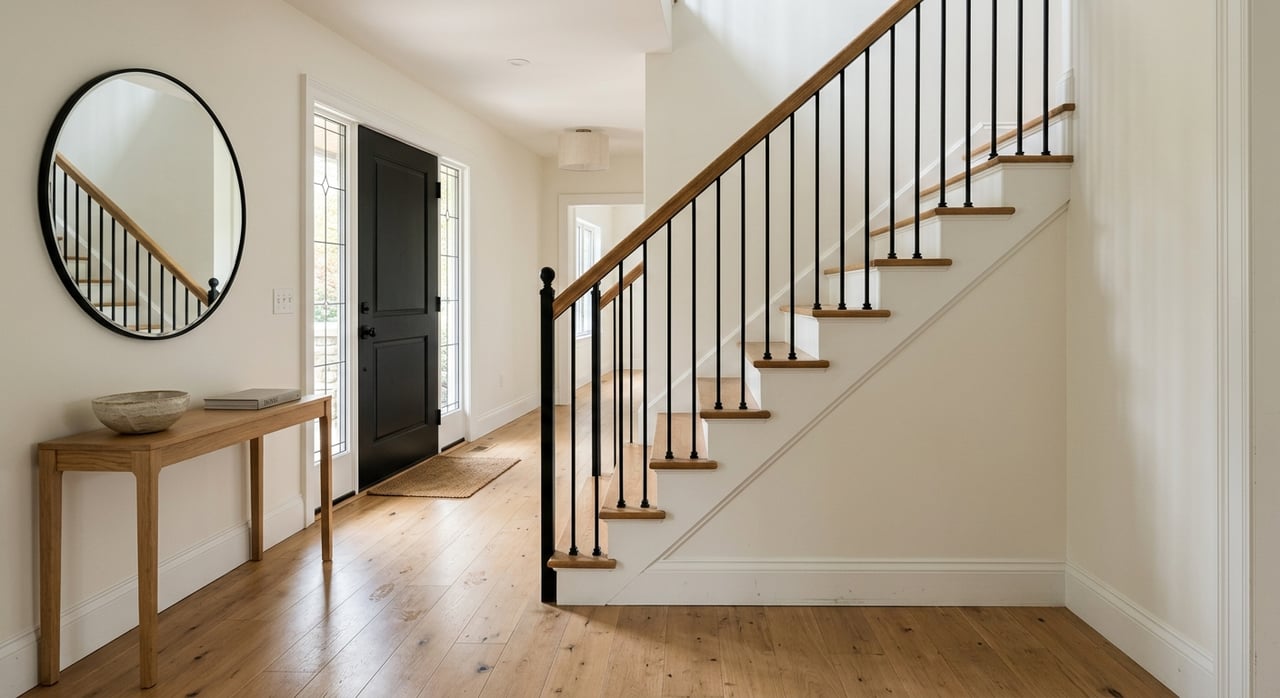
NAR’s staging research shows the rooms most often staged are the living room, kitchen, primary bedroom, and dining room. That aligns with how many buyers experience a listing. These spaces tend to dominate online photos and shape early opinions.
If your time or budget is limited, start there. In many cases, a cleaner, brighter, better-arranged main living area will do more for your listing than spending heavily on a room buyers barely remember.
Living room
The living room often sets the tone for the rest of the home. Remove extra furniture if the room feels crowded, simplify decor, and make sure light can come in easily. A calm, open layout tends to read better in photos.
Kitchen
You do not always need a full remodel to improve the kitchen’s appeal. Clear countertops, clean appliances, and fresh touch-ups can go a long way. Buyers often notice cleanliness, storage, and overall upkeep first.
Primary bedroom
Keep this room simple and restful. Neutral bedding, limited decor, and a clean floor plan can help the space feel larger and more inviting. Closets should also look organized, since storage matters to many buyers.
Dining room
If you have a dining room, make sure it has a clear purpose. Even a modest table setting and a clutter-free layout can help buyers understand how the space works.
Choose updates with more predictable payoff
Not every pre-listing project makes financial sense. According to NAR’s 2025 Remodeling Impact Report, the highest estimated resale recovery among the projects listed was a new steel front door at 100%, followed by a fiberglass front door at 80%, new vinyl windows at 74%, and minor kitchen upgrades at 60%.
That does not mean every seller should start replacing doors and windows. It does mean visible, practical improvements often offer more predictable value than large custom remodels, especially in a mid-market price range.
Smart updates to consider
- Fresh paint, especially where walls are scuffed or colors are bold
- A front-door refresh or replacement if it looks worn
- Minor kitchen improvements instead of a full renovation
- Basic landscaping and outdoor cleanup
- Small repairs buyers will notice right away
NAR also notes that real estate professionals often recommend painting before listing and making sure the roof is in good shape if needed. Nearly half of buyers say they are less willing to compromise on a home’s condition, so visible maintenance matters.
Improve curb appeal before buyers step inside
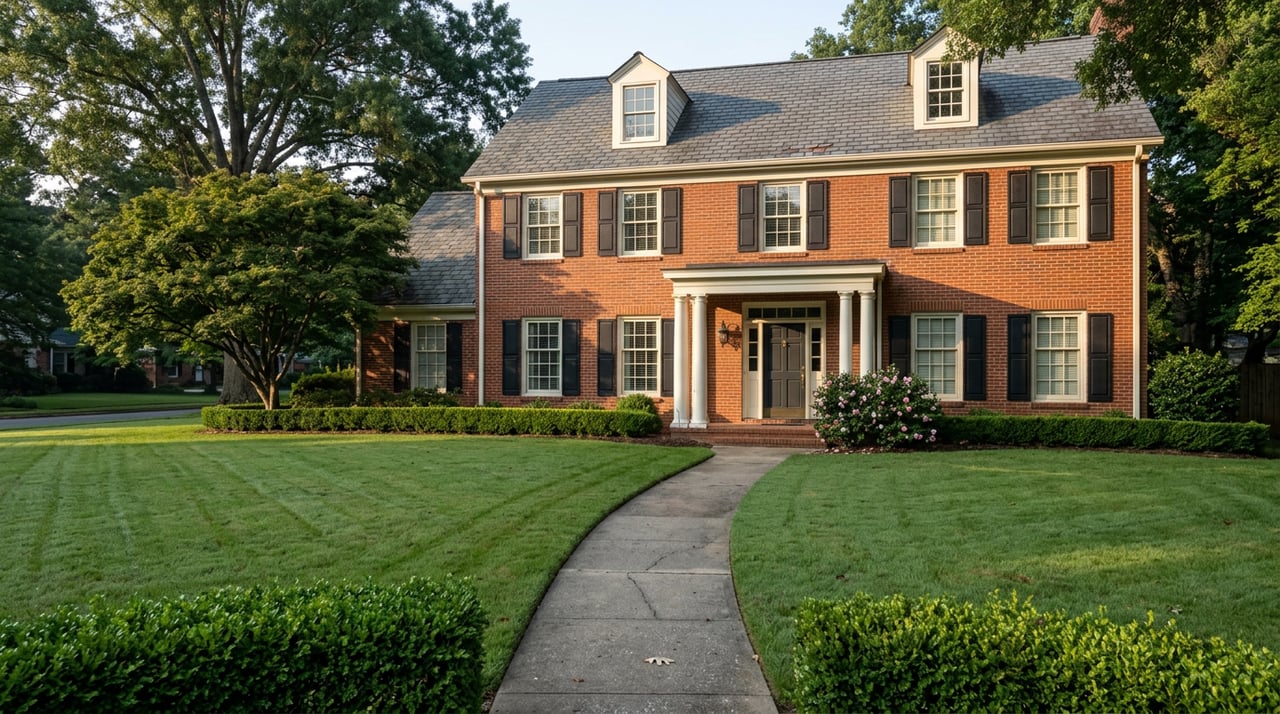
Curb appeal shapes expectations before the front door opens. If the exterior looks neglected, buyers may assume the inside needs work too. The good news is that curb appeal does not always require a major investment.
NAR’s staging report shows agents frequently recommend landscape or outdoor work, paint touch-ups, minor repairs, and depersonalizing the home. In practical terms, that means focusing on the items buyers will notice immediately from the street.
Easy curb appeal wins
- Mow and edge the lawn
- Trim overgrown shrubs or branches
- Add fresh mulch if needed
- Touch up peeling or faded paint
- Clean the porch, walkway, and entry area
- Replace or refresh the front door if it looks tired
These updates can help your home feel maintained, welcoming, and ready for the market.
Check Senatobia permit rules before exterior work
Before you start exterior changes, make sure you know whether approvals or permits apply. Senatobia’s Building & Planning Department says any exterior change to a structure or sign in the Residential or Downtown Historical district requires an application and a Certificate of Appropriateness before modifications begin. The city also lists permit forms for roofing, electrical, plumbing, fences and outbuildings, residential and commercial building work, and signage.
If you are planning anything beyond cosmetic touch-ups, it is smart to verify requirements before work begins. That can help you avoid delays and keep your listing timeline on track.
Exterior projects worth checking first
- Roof work
- Fence installation or replacement
- Outbuildings
- Electrical or plumbing work tied to improvements
- Exterior structural changes
- Projects in a historical district
A quick check before starting can save time, money, and stress later.
Watch for tax and occupancy details
If you have made improvements or your occupancy status has changed, it may be worth reviewing how that could affect your property taxes or escrow. Tate County says taxes can change because of countywide reappraisal, loss of homestead, or improvements placed on the property. That is useful to know if you are trying to estimate your selling costs or prepare for a move.
Mississippi’s Department of Revenue says homestead exemption applications are filed with the county tax assessor from January 1 through April 1 and require that the owner occupy the home as a primary residence on January 1 of the filing year. For sellers, that means timing, occupancy changes, and property improvements may have practical tax implications worth checking early.
A simple pre-listing plan for Senatobia sellers
If you want to prepare without getting overwhelmed, keep your focus on the steps most likely to matter.
Your pre-listing checklist
- Review recent local sold comps instead of relying on one online estimate.
- Declutter, deep clean, and remove distractions before photos and showings.
- Prioritize the living room, kitchen, primary bedroom, and dining room.
- Handle visible repairs and consider cost-effective updates like paint and front-door improvements.
- Freshen curb appeal with landscaping, cleanup, and exterior touch-ups.
- Check Senatobia permit or district requirements before exterior work.
- Review possible tax or homestead-related changes if improvements or occupancy have shifted.
Taken together, these steps can help you launch with more confidence and fewer surprises.
Selling a home in Senatobia is not about doing everything. It is about doing the right things in the right order. When you combine realistic pricing, smart preparation, and local guidance, you give your home the best chance to stand out in a market where details matter. If you’re getting ready to sell and want a clear, practical plan, connect with Deanna Wardlaw for personalized guidance.
FAQs
What should Senatobia sellers do first before listing a home?
- Start by reviewing recent local sold comps, then declutter, deep clean, and identify any visible repairs or cosmetic updates that could improve first impressions.
Which rooms matter most when preparing a Senatobia home for sale?
- The living room, kitchen, primary bedroom, and dining room usually deserve the most attention because they often shape online photo appeal and early buyer impressions.
Are big remodels worth doing before selling a home in Senatobia?
- Not always. Smaller, visible improvements like paint, minor repairs, landscaping, and a front-door refresh often offer a more predictable payoff than major renovations.
Do Senatobia homeowners need permits for exterior work before selling?
- They may. Senatobia’s Building & Planning Department says exterior changes in the Residential or Downtown Historical district require an application and a Certificate of Appropriateness, and other work like roofing or fences may also require permits.
Can home improvements affect property taxes in Tate County?
- Yes. Tate County says taxes can change because of reappraisal, loss of homestead, or improvements placed on the property, so it is wise to check how recent changes could affect your costs.
Why is local pricing so important when selling a home in Senatobia?
- Senatobia is a smaller market, so limited comparable sales and varying market snapshots can make broad online estimates less reliable than recent local sold data and your home’s true condition.